Personal Item vs. Cabin Bag: A Traveller's Guide to Avoid Repacking at the Gate

- A personal item is a small bag, like a laptop bag or backpack, that must fit under the seat in front of you.
- A cabin bag is a larger trolley or duffle bag that goes in the overhead compartment.
- Airlines such as IndiGo and Air India generally allow one cabin bag plus one personal item, but allowances vary by airline and fare type.
- Your personal item holds in-flight essentials; your cabin bag holds your main luggage for short trips.
- Check specific airline size and weight limits before flying to avoid unexpected baggage charges.
Personal Item vs. Cabin Bag: A Traveller's Guide to Avoid Repacking at the Gate
You’ve seen it. That heart-sinking moment at the boarding gate when a fellow passenger is told their bag is too big. The frantic repacking, the desperate squishing of a bag into that unforgiving metal sizer. It's the kind of travel stress nobody wants.
The culprit is usually a simple misunderstanding between your two travel partners: the personal item and the cabin bag. They both get on the plane with you, but they are not the same thing in the eyes of an airline. Knowing the difference isn’t about memorising boring rules; it’s the secret to a smooth, fee-free airport experience. It’s about packing with a plan.
Think of them as your A-team. One is your in-flight command centre, holding everything you need at your fingertips. The other is your mobile wardrobe, packed for the adventures waiting at your destination. Let's unpack the specifics so you can pack smarter and travel better.
The Personal Item: Your Under-Seat Lifeline
This is the smaller piece of your carry-on luggage. Its single defining rule is its location during the flight: it must be small enough to be stowed completely under the seat in front of you. This ensures it doesn’t block the aisle or take up valuable overhead space.
This bag is your in-flight survival kit. It should hold everything you need to access without having to stand up and wrestle with the overhead bin. This is where you keep your most important and frequently used items.
Good examples of personal items include:
- A handbag or tote
- A laptop bag
- A camera bag
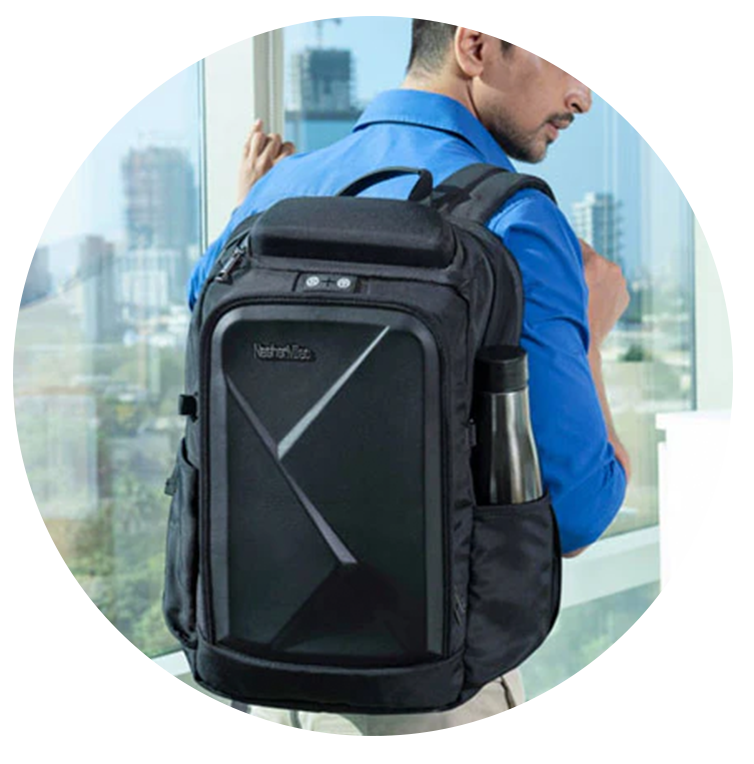
- Small backpacks
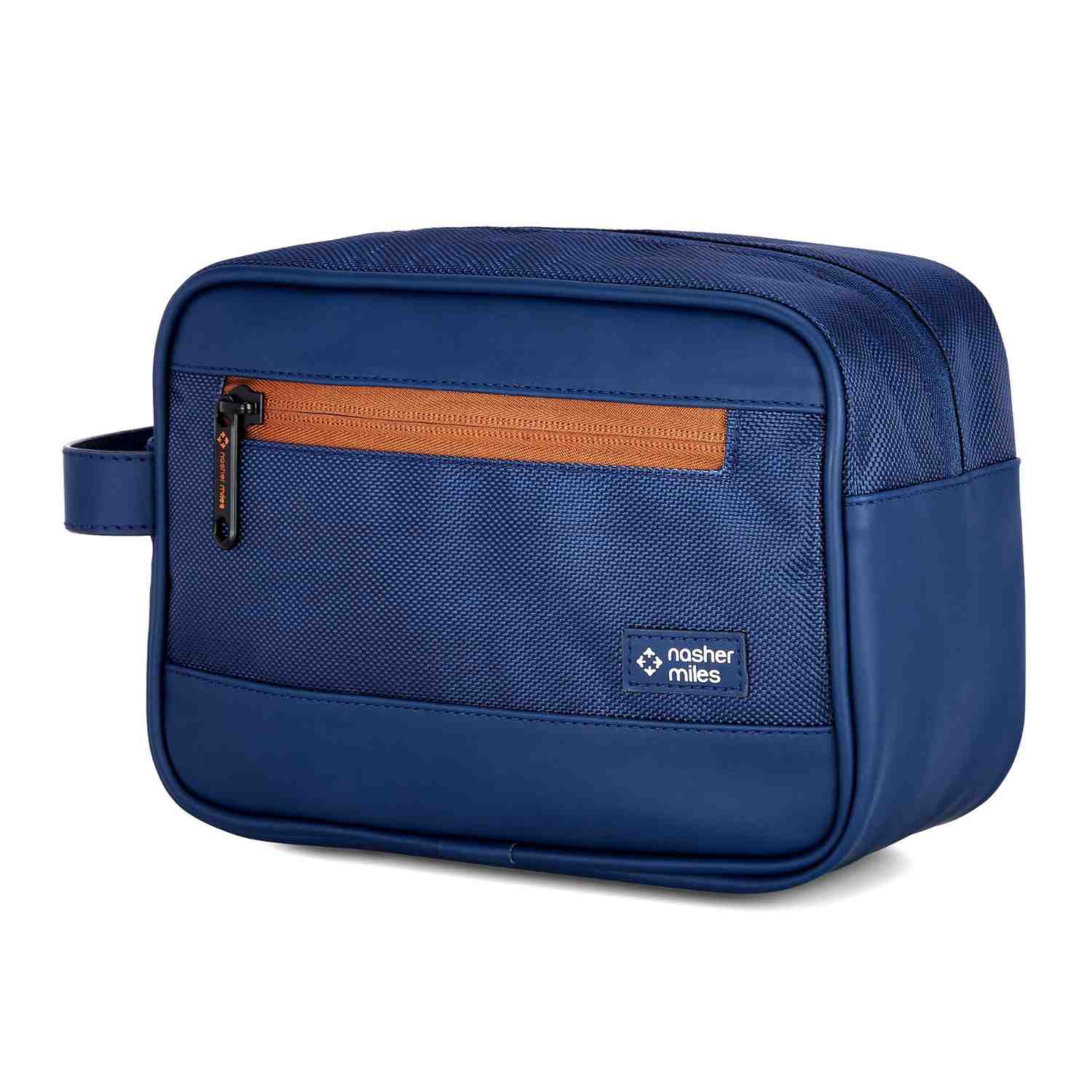
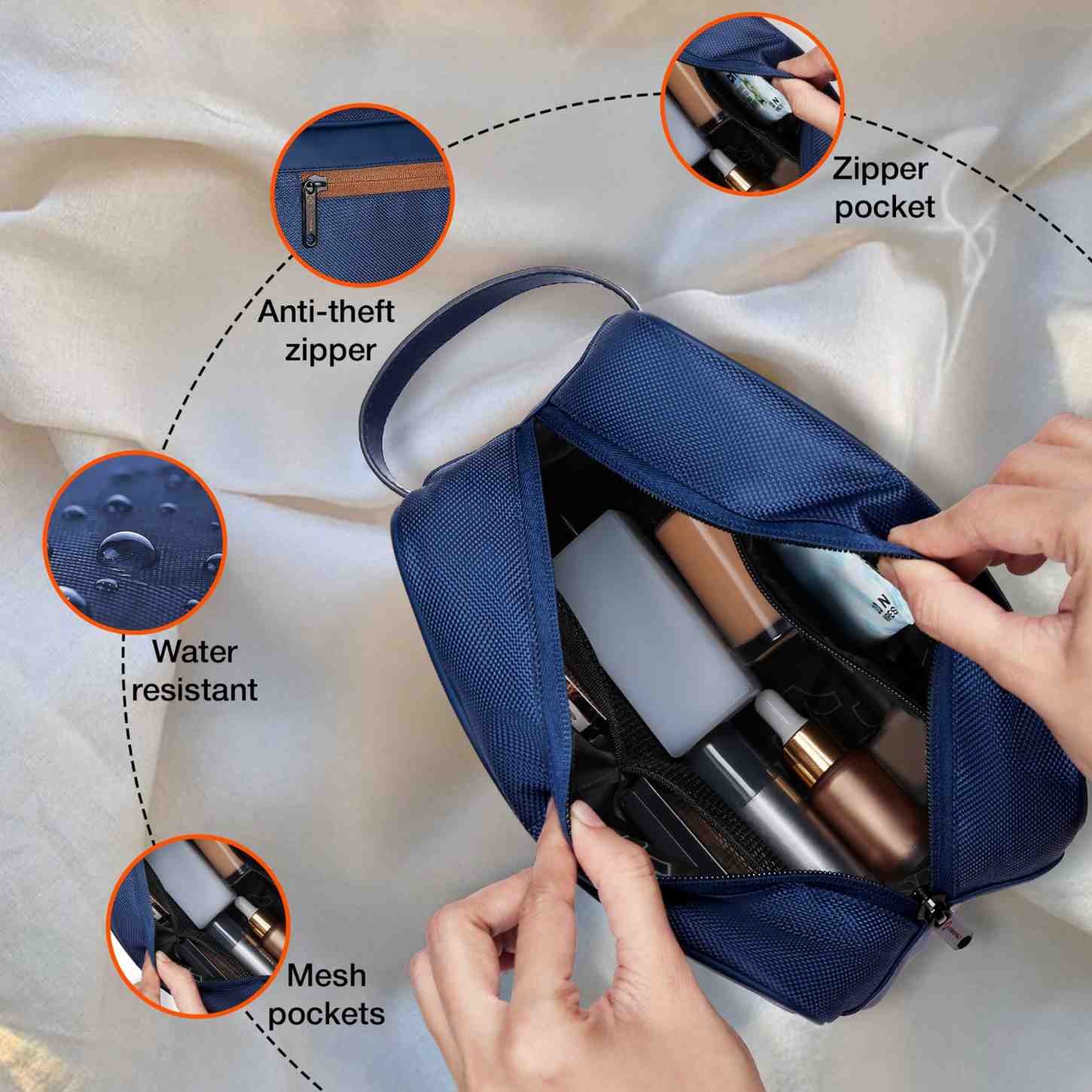
What goes inside? Think essentials: your passport, wallet, phone, chargers, a book, headphones, medication, and a small toiletry kit to freshen up before you land. For domestic flights in India, airlines are quite specific. IndiGo currently permits one additional personal article, such as a small bag containing a laptop or a purse, weighing up to 3 kg. It’s all about keeping your essentials close and the aisles clear.
The Cabin Bag: Your Overhead Companion
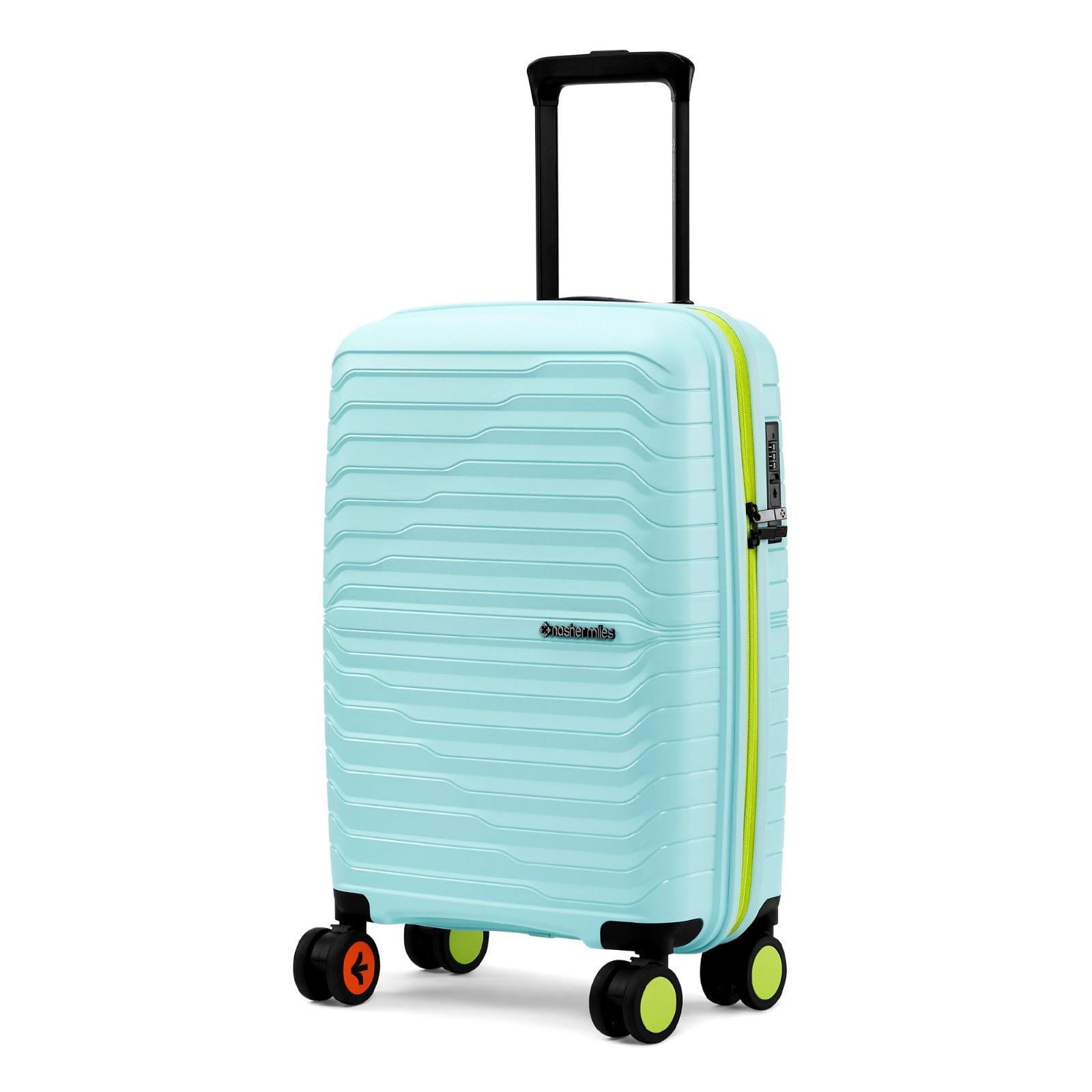
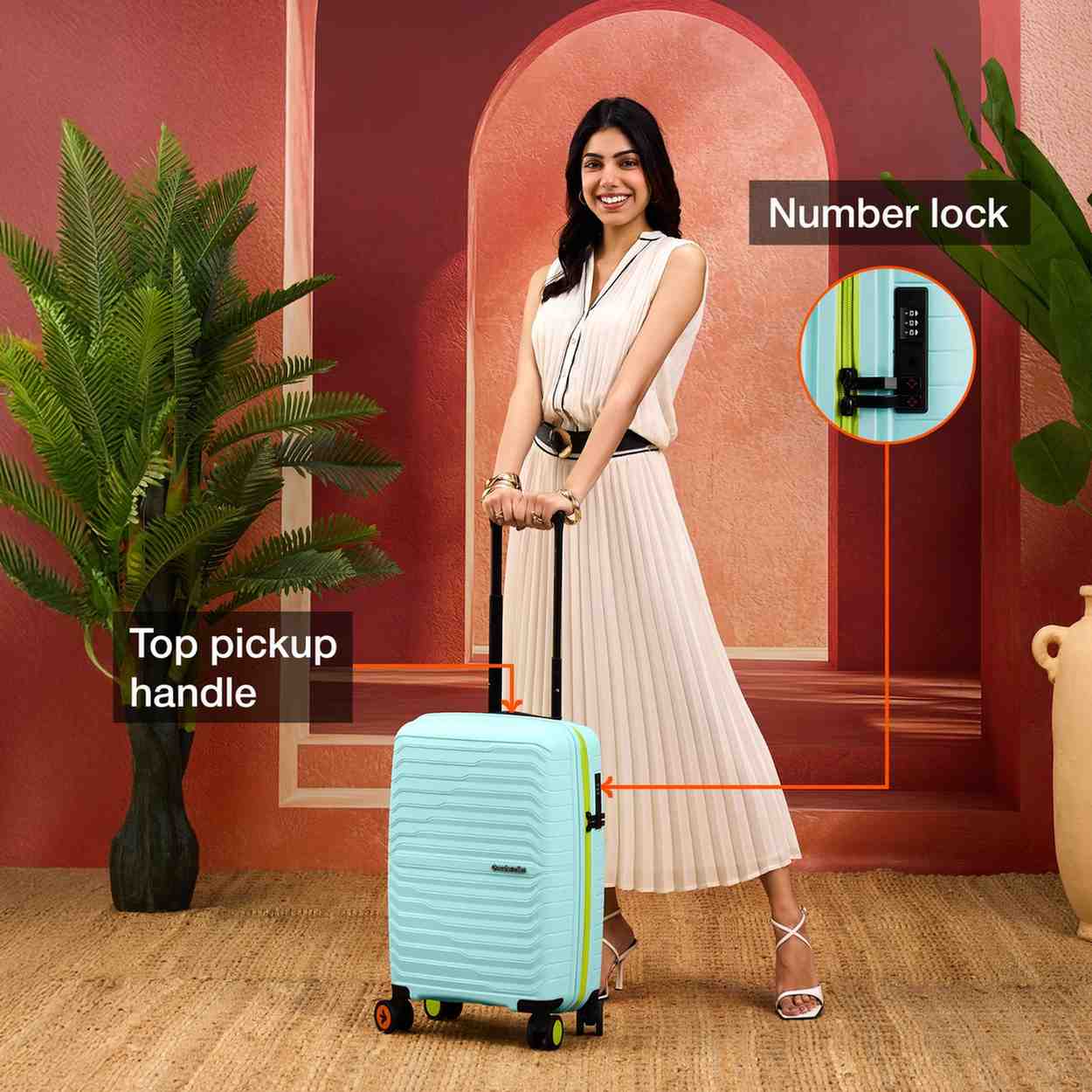
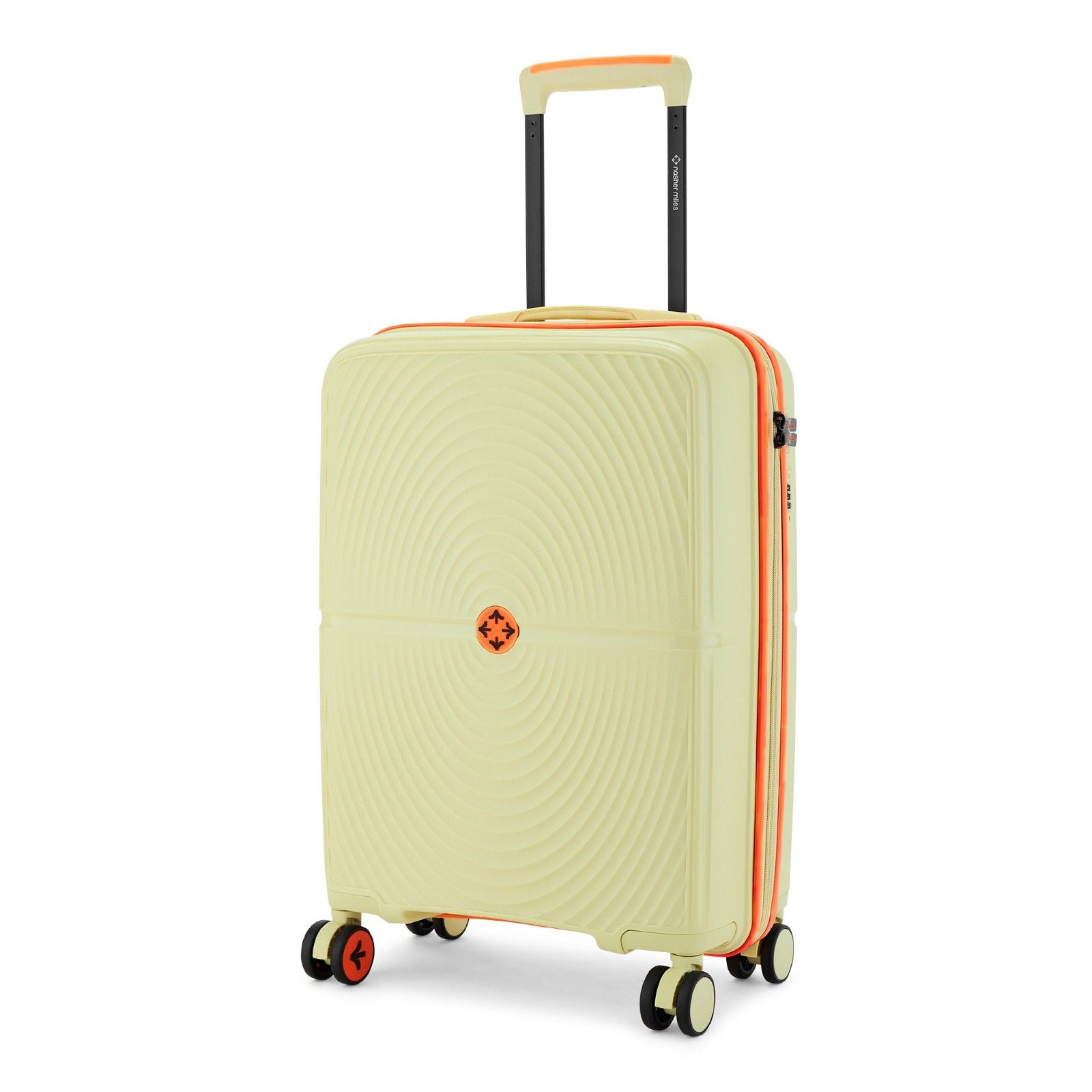
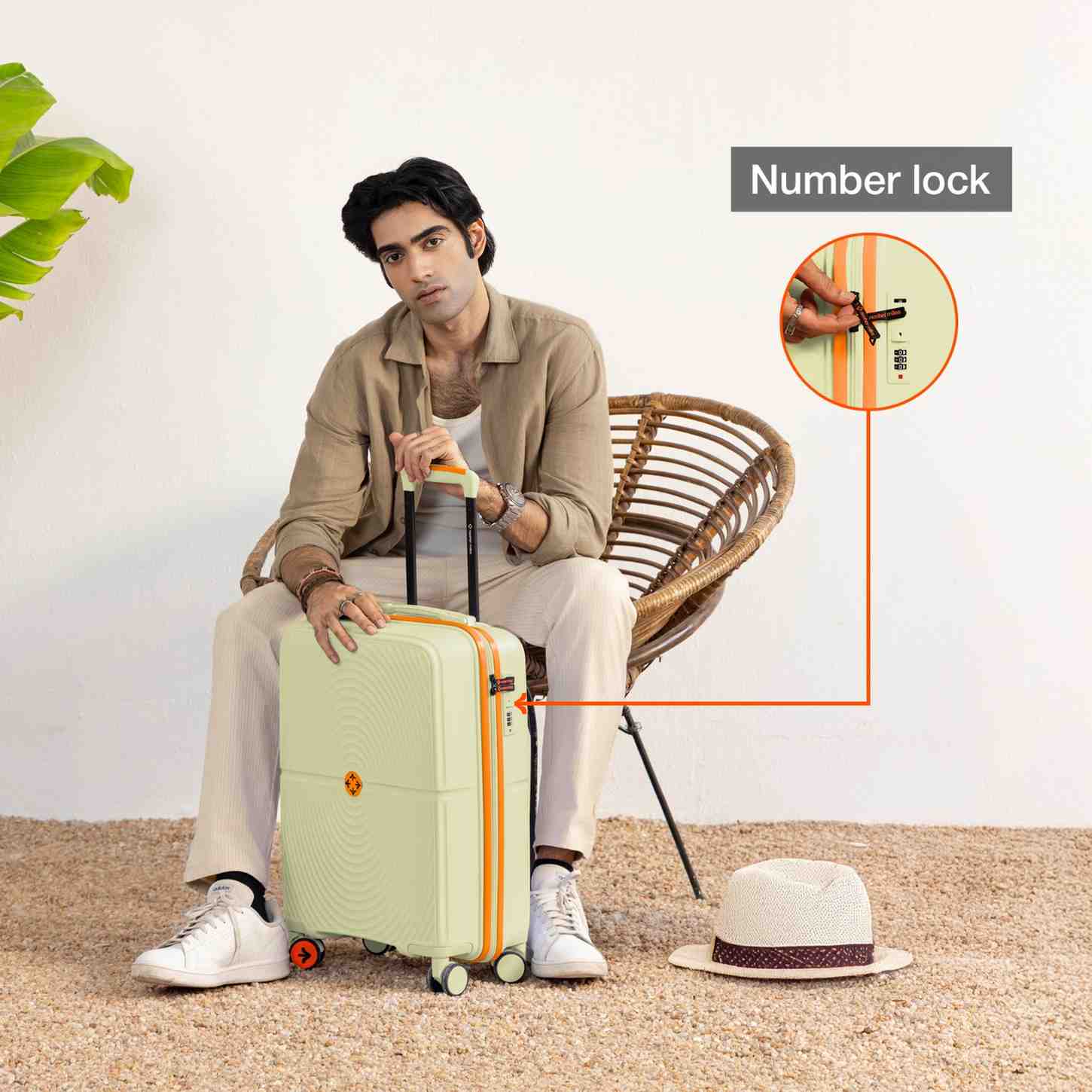
This is the bag most people mean when they say "carry-on." Your cabin bag is the larger suitcase or duffle bag that lives in the overhead compartment. This is where you pack the bulk of your belongings for the trip itself.
A well-packed cabin bag can easily hold enough for a three or four-day trip—perfect for a weekend in Goa, a wedding in Jaipur, or a quick business trip. It holds your clothes, shoes, and your main liquids pouch. For short trips, mastering the cabin bag means you can skip the baggage claim carousel entirely, saving you precious time.
This category includes:
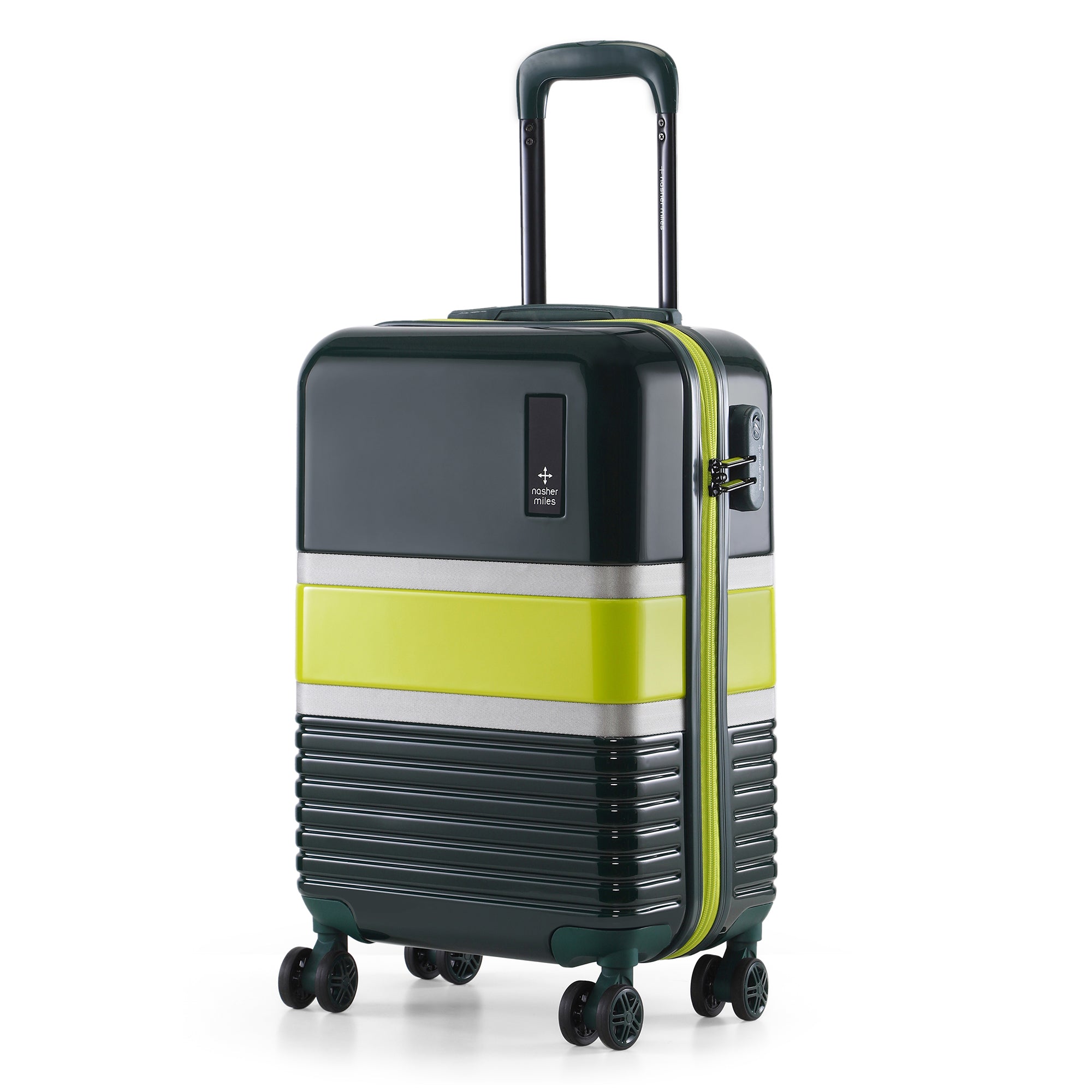
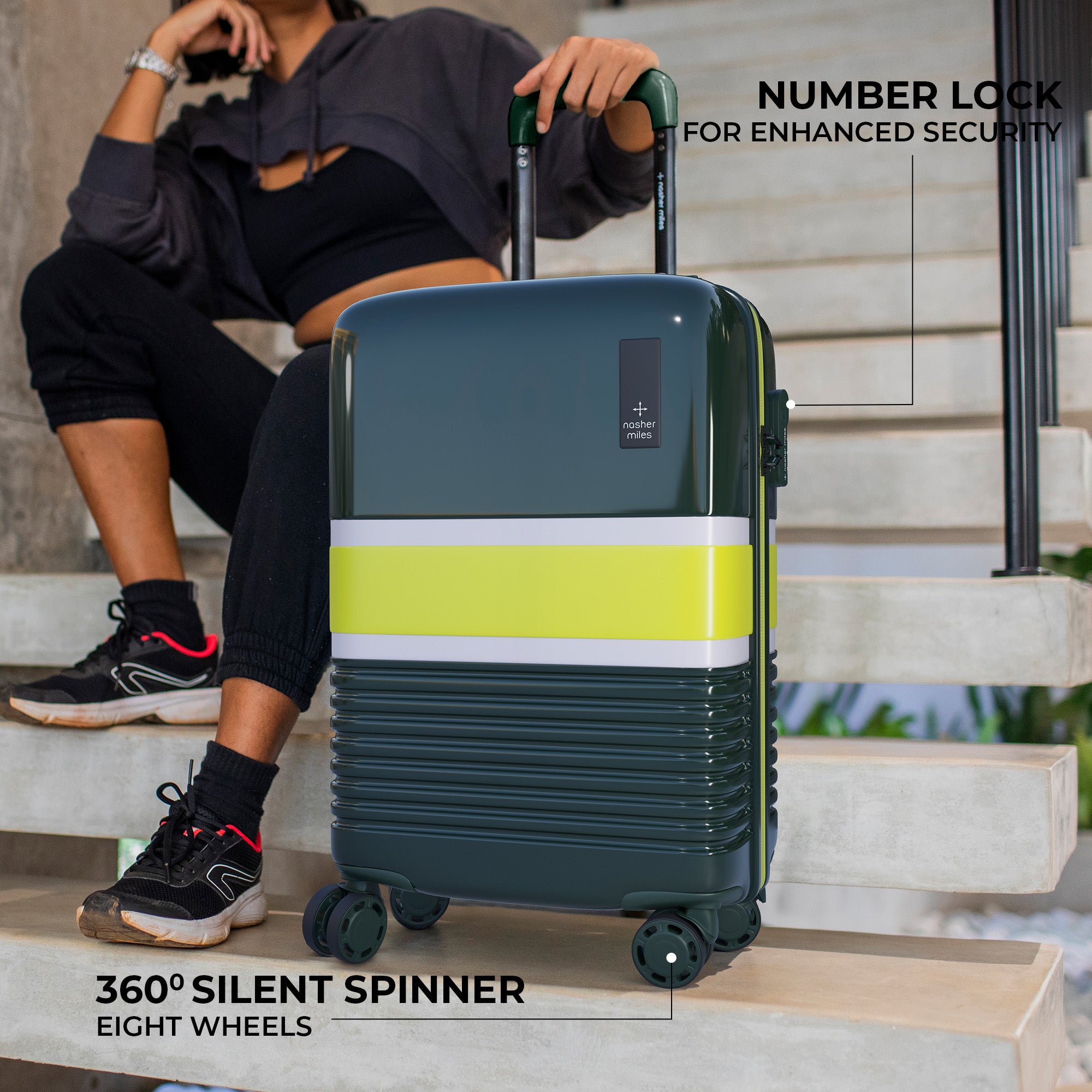
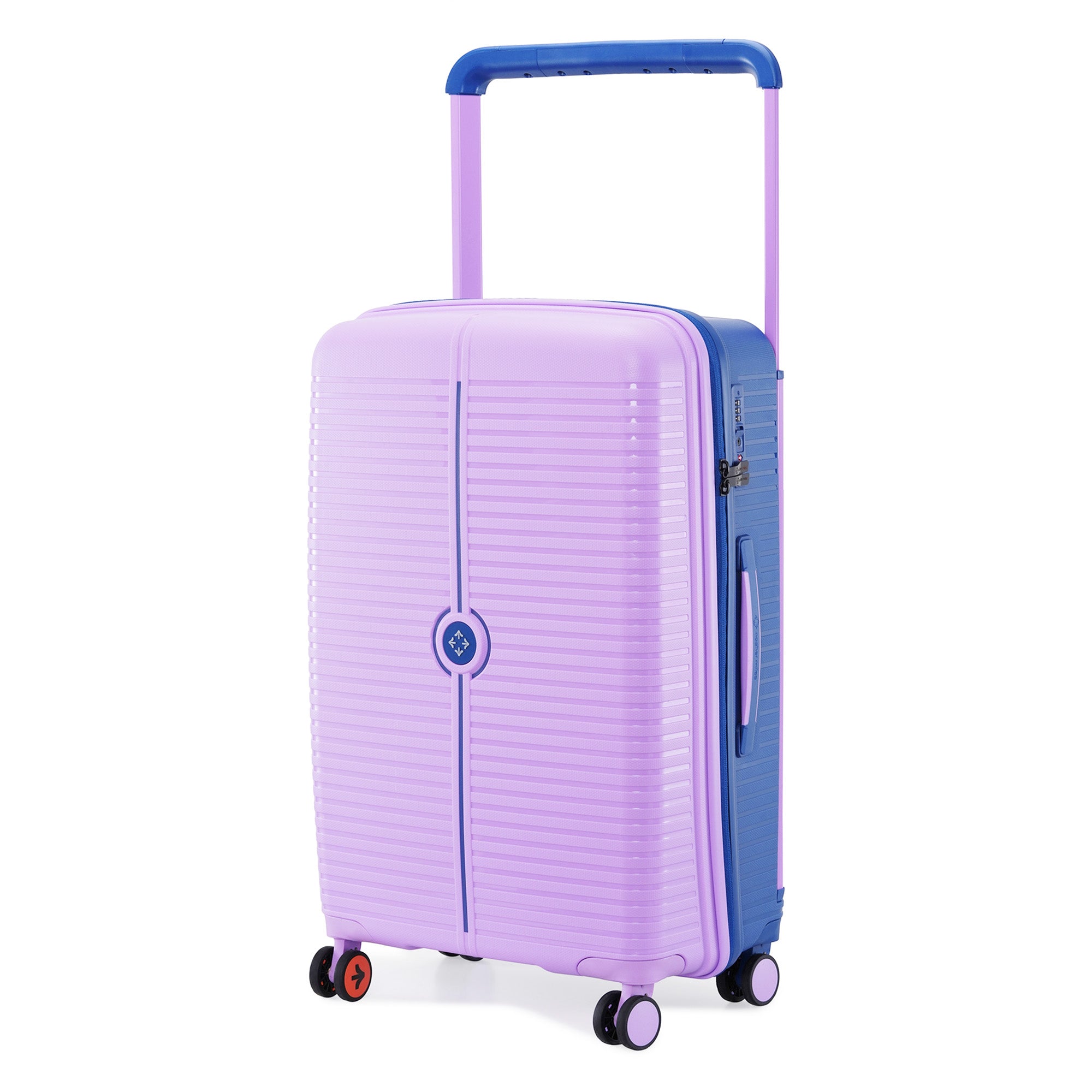
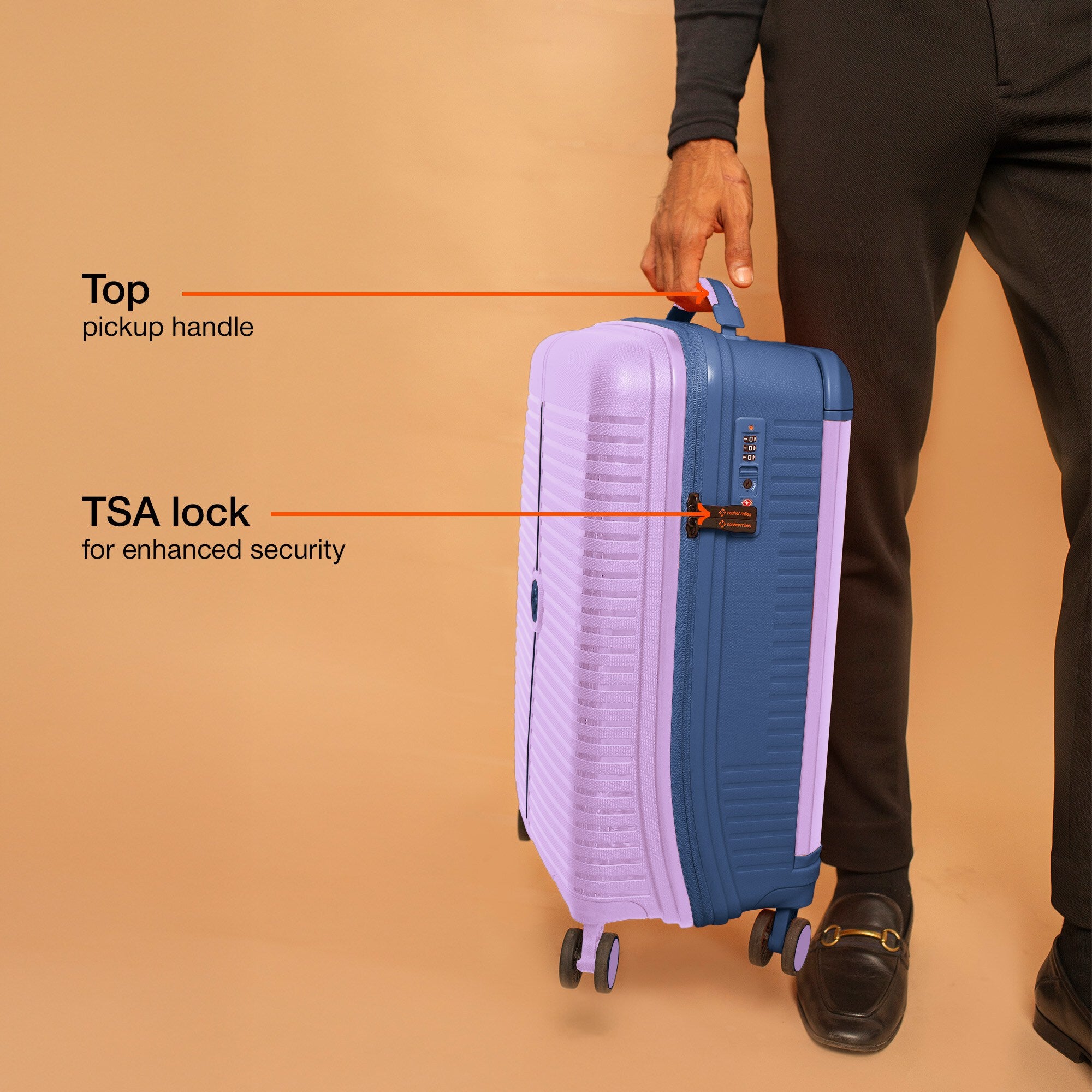
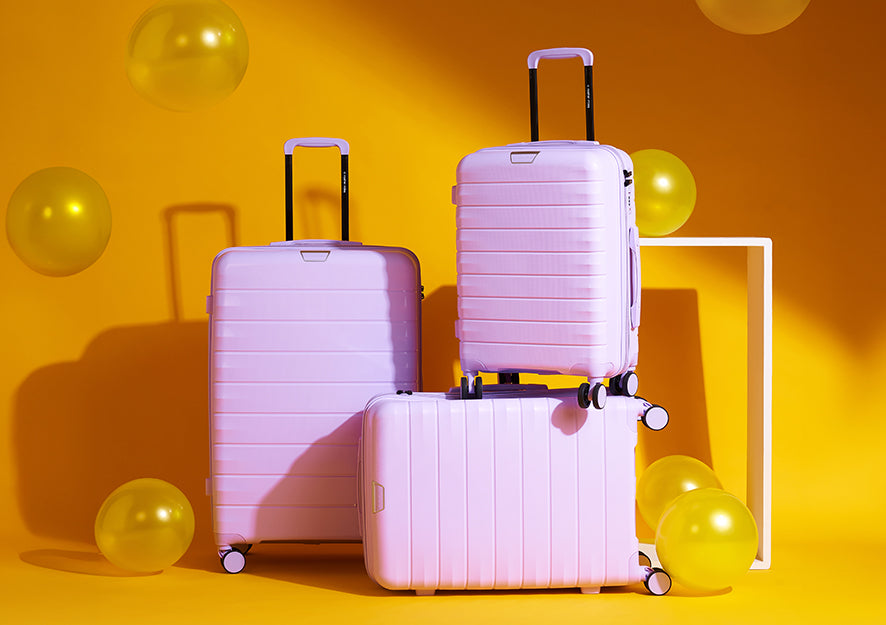
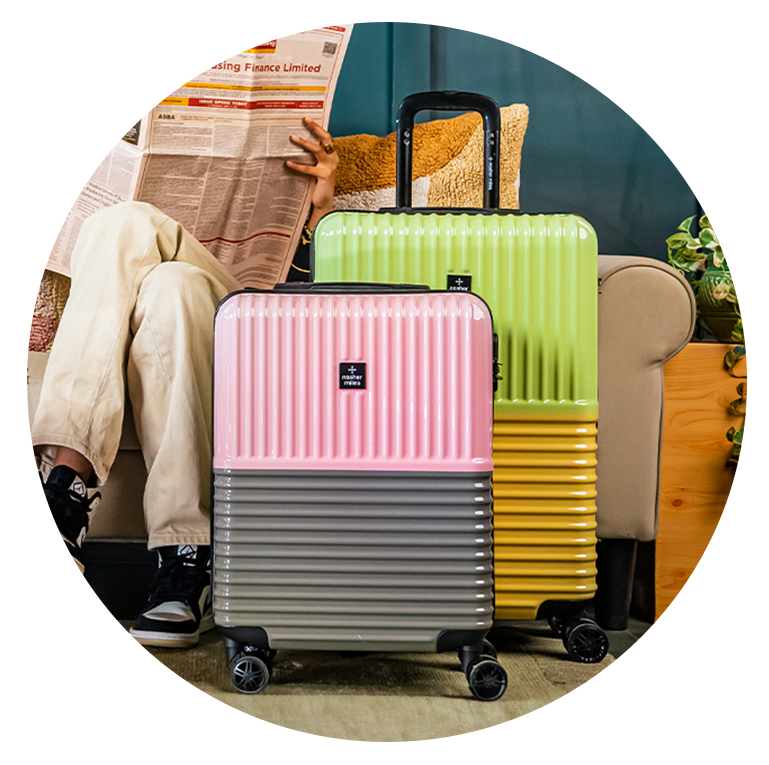
- Hard-shell trolley bags in a cabin size
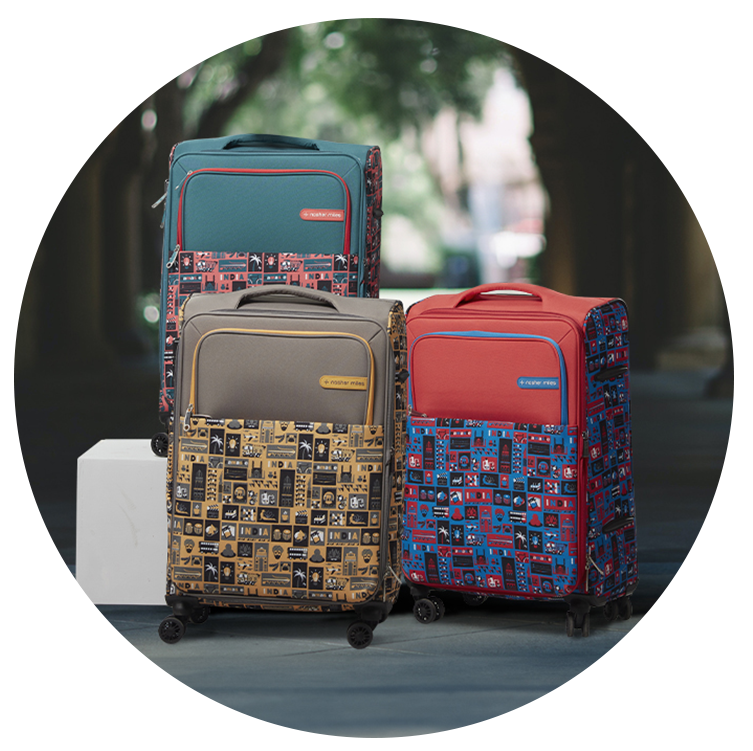
- Soft-shell suitcases
- Larger weekender or duffle bags
Cabin-bag limits vary by airline. For example, IndiGo allows one cabin bag up to 55 × 35 × 25 cm and 7 kg, while Air India allows up to 55 × 40 × 20 cm and 7 kg for Economy and Premium Economy. These dimensions ensure the bags fit securely in the overhead bins. For a full breakdown, it's always smart to review the latest guide on what you need to know about cabin baggage rules before you fly.
The Big Question: Can You Carry Both?
For most full-service airlines and standard economy tickets, yes. The typical allowance is one cabin bag plus one personal item. This combination is a packing game-changer. It provides a generous amount of space, often eliminating the need to check a bag for trips under a week.
But here’s a crucial tip for modern travel: watch out for "basic economy" or "lite" fares. Many budget airlines now offer cheaper tickets that restrict you to *only* one personal item. If you arrive at the gate with a cabin bag on one of these tickets, you’ll be forced to check it, often for a much higher fee than you would have paid online. Always, always read the baggage allowance on your ticket confirmation.
The Art of Smart Packing: What Goes Where?
Knowing the difference is one thing; packing strategically is another. A smart traveller divides their belongings between the two bags for maximum convenience and security.
In Your Personal Item (Under the Seat)
- Documents: Passport, visa, ID, boarding pass, hotel confirmations.
- Valuables: Wallet, cash, keys, jewellery.
- Electronics: Phone, laptop, tablet, power bank, all charging cables, and headphones.
- In-Flight Comfort: A book, neck pillow (inflatable ones save space), eye mask, and a light jacket or shawl as cabins get chilly.
- Medication: Any prescription or over-the-counter medicines you might need during the flight.
In Your Cabin Bag (Overhead)
- Clothing: The rest of your outfits, rolled to save space and prevent wrinkles.
- Shoes: Any extra pairs of shoes you're bringing.
- Toiletries: Your main toiletry bag, making sure any liquids are under 100ml and in a clear, resealable bag.
- Items You Won't Need Mid-Flight: Hair styling tools, extra books, gifts for your hosts.
Find Your Perfect Travel Duo
The ideal combination of a personal item and cabin bag is a reflection of you. It’s about who you are when you travel.
- For the frequent flyer on a business trip: Your personal item is a sleek laptop backpack. Your cabin bag is a durable, hard-shell trolley that looks sharp. Some modern cabin bags, like those in our Silicon Valley collection, even combine the best of a laptop compartment in a cabin bag for ultimate versatility.
- For the parent juggling kids: The personal item is a large, multi-pocketed backpack filled with snacks, toys, and wipes. The cabin bag is a lightweight, easy-to-manoeuvre soft-shell suitcase, leaving one hand free.
- For the spontaneous weekender: A stylish duffle bag can serve as your cabin bag, offering flexible packing space. Your personal item is a small crossbody or fanny pack, keeping your hands free for that station chai. For longer trips, consider a coordinated set of luggage sets for a seamless look.
Conclusion
It’s more than just a bag. Understanding the roles of your personal item and cabin bag is about taking control of your journey. It’s the confidence of walking onto the plane knowing you’ve packed smart, your essentials are within reach, and there are no bad surprises waiting at the gate. It’s one less thing to worry about.
That frees up your energy for the real reason you’re travelling. To disconnect. To discover. To find that version of yourself that only appears miles away from home.
Unpack you with Nasher Miles. And then, do it all over again!
FAQs
Q. What is the main difference between a personal item and a cabin bag?
A personal item must be small enough to fit under the seat in front of you, while a cabin bag is larger and is stored in the overhead compartment. Airlines have different size and weight limits for each.
Q. Can a backpack be a personal item?
Yes, a small backpack can be a personal item as long as it fits within the airline's specific under-seat dimensions (e.g., typically around 40cm x 30cm x 15cm). A larger hiking or travel backpack would be classified as a cabin bag.
Q. What happens if my cabin bag is over the weight limit?
If your cabin bag exceeds the weight limit (usually 7 kg on Indian domestic flights), you will likely have to check it in at the gate. This is often more expensive than checking it in online beforehand, so it pays to weigh your bag at home.
Q. Do I get a personal item and a cabin bag on every flight?
Most standard tickets on full-service airlines like Air India allow for both. However, many budget airlines or "basic economy" fares now restrict you to only one personal item. Always check your specific ticket's baggage allowance.
Q. Is a handbag considered a personal item?
Yes, a handbag, purse, or laptop bag is a classic example of a personal item. You are generally allowed to carry one of these in addition to your main cabin bag.