



How to Pack for Diwali Travel: Gifts, Sweets, and Festive Wear Without the Stress

Key takeaways
- Packing for Diwali means fitting festive wear, fragile gifts and mithai into airline limits: usually 7 kg cabin plus one personal item, and around 15 kg check-in on domestic economy fares.
- Firecrackers, dry coconut and matchboxes are banned in both cabin and check-in bags.
- Power banks go in your cabin bag only and can’t be used during the flight.
- Repack mithai into airtight, hard containers and place them in the centre of your suitcase, cushioned by clothes.
- Roll cotton kurtas, but fold silk sarees and embroidered outfits flat with tissue paper between the layers.
The tickets are booked. The family is waiting. You can almost smell the marigolds and home-made chakli. Going home for Diwali is a feeling like no other, and so is the last-minute panic of fitting it all into your bags.
Packing for Diwali isn’t just about your clothes. It’s about the carefully chosen sherwani, the delicate silk saree, the boxes of motichoor ladoo that must arrive intact, and the mountain of gifts you’re hauling for cousins and relatives. Your usual packing routine won't cut it. This is a mission.
And every mission requires the right gear. Forget the stress. Here’s how to pack your travel bags so they arrive intact, what you’re not allowed to bring, and how to make it all fit.
First, What You Cannot Pack
Before you pack anything else, check this list. Certain items, some of which are common for Diwali celebrations, are strictly prohibited on flights in India for safety reasons.
Under Indian aviation security rules, the following are banned from both cabin and check-in baggage:
- Firecrackers: Absolutely no fireworks of any kind. This includes sparklers, phuljharis, and rockets. They are a serious fire hazard. Carrying them on trains is also prohibited.
- Dry Coconut (Copra): While essential for some puja rituals, dry coconut is highly flammable and is not allowed in either cabin or check-in luggage. Plan to buy it at your destination.
- Matchboxes and Lighters: These are also banned.
For other items, there are specific rules:
- Ghee, Oils, and Syrupy Sweets: Items like pickles, ghee, rasgulla, and gulab jamun are considered liquids. In your cabin bag, they must be in containers of 100 ml or less. For larger quantities, place them in well-sealed, leak-proof containers deep inside your check-in suitcase.
- Power Banks: These must be in your cabin baggage only. They are not allowed in check-in luggage. The limit is typically under 100 Wh, with a maximum of two per person, and you cannot use them during the flight.
Always check the specific rules for your airline before you fly.
Know Your Luggage Allowance
On most domestic economy flights in India, your allowance is usually:
- One Check-in Bag: Around 15 kg.
- One Cabin Bag: Up to 7 kg.
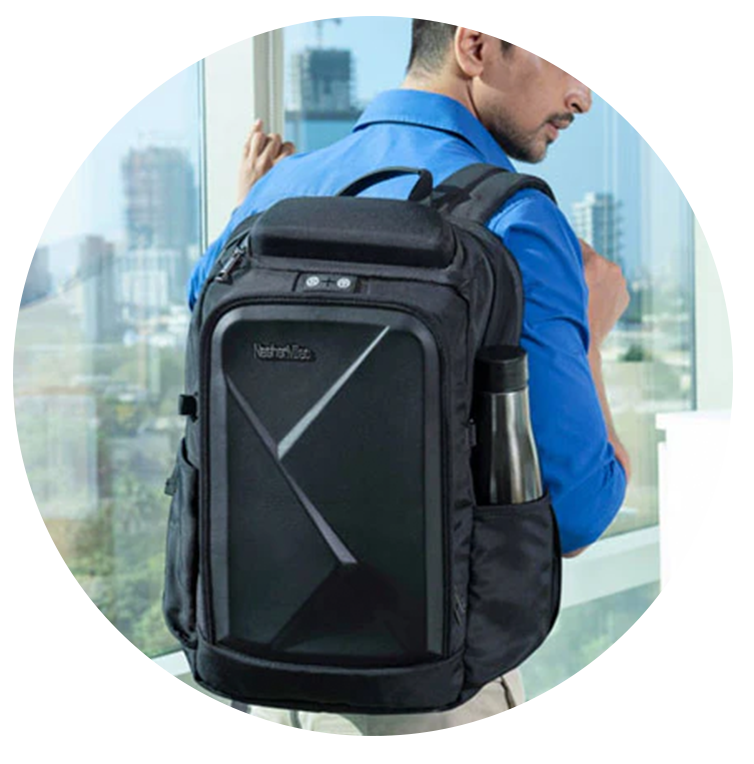
- One Personal Item: A small handbag or a Backpack that is slim enough to fit under the seat in front of you.
Be careful here. A full-sized, stuffed backpack and a separate Cabin Bag may be considered two cabin bags, and you could be asked to check one in at the gate. Pack smart.
Hard-Shell or Soft-Shell: Which Bag Wins?
The right bag depends entirely on what you’re carrying. For Diwali travel, you’re often carrying a mix of soft clothes and fragile items.
Choose Hard-Shell Luggage for Protection
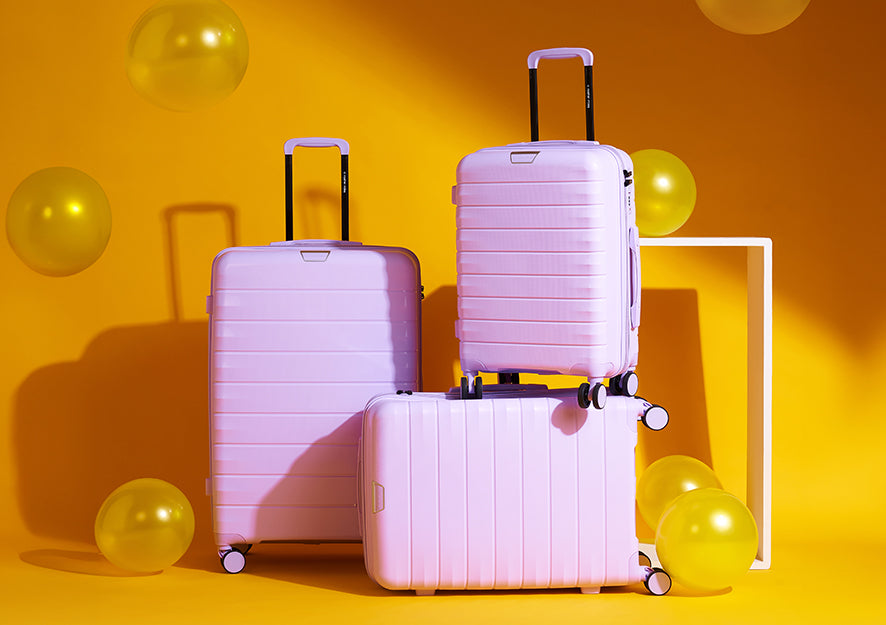
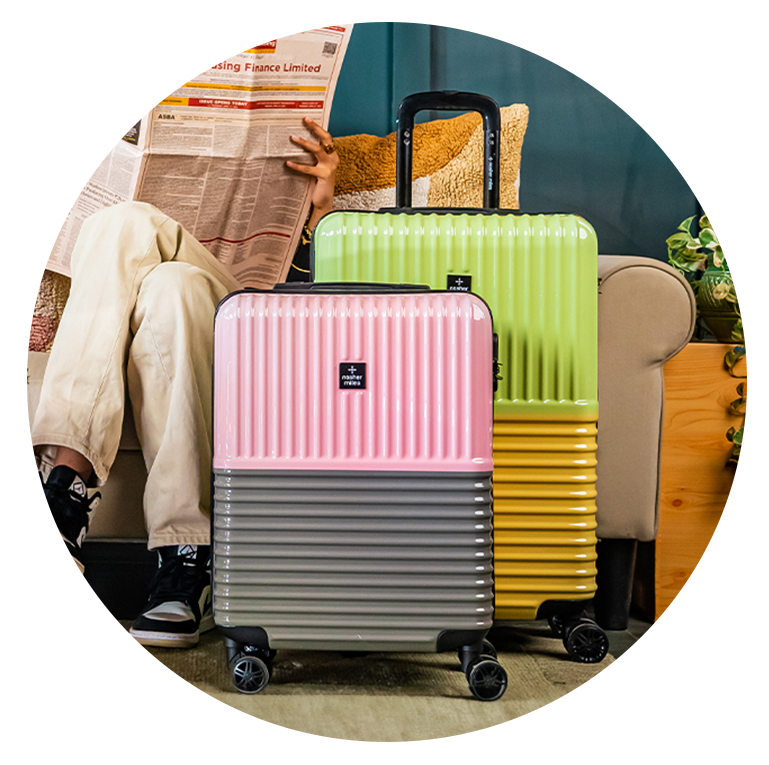
If your bags are full of delicate diyas, boxes of sweets, or electronic gifts, a hard-shell trolley is your best bet. The rigid exterior of Hard Trolley Bags, usually made of polycarbonate or polypropylene, protects contents from impact much better than soft fabric. This is your safest choice for fragile cargo.
Choose Soft-Shell Luggage for Flexibility
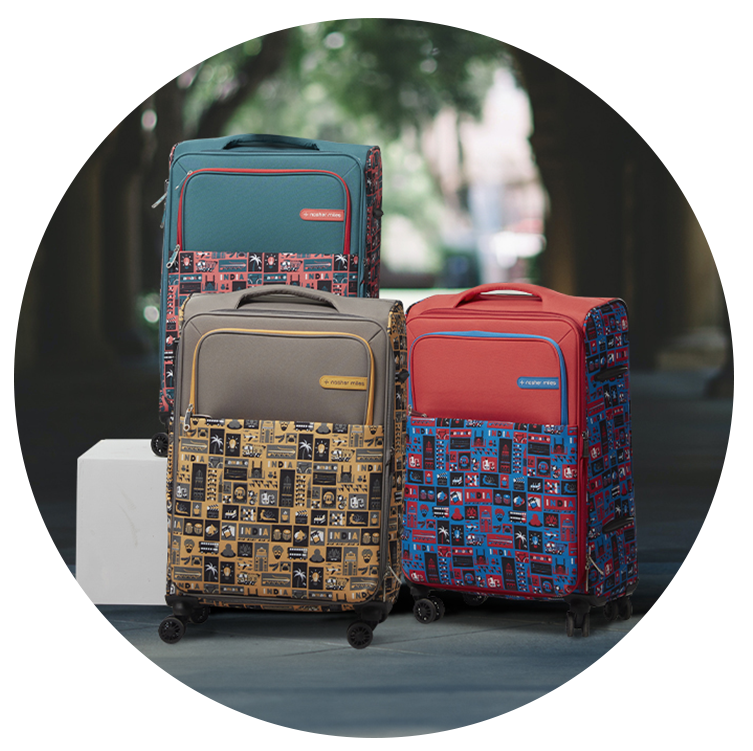
If you’re mainly carrying clothes and soft gifts, or if you know you’ll be coming back with more than you left with, consider Soft Trolley Bags. They often have expandable sections and handy outer pockets for last-minute items. They are often lighter and more flexible, making it easier to squeeze in that one extra gift you bought.
How to Pack Festive Wear Without Creases
Your Diwali outfits are the main event. They are often delicate and prone to wrinkling. The secret is to handle different fabrics differently.
Roll the Cottons: For everyday clothes, cotton kurtas, and pyjamas, rolling is the best technique. It saves a surprising amount of space and minimises common creases.
Fold the Silks: Do not roll your expensive silk sarees or outfits with heavy zari or embroidery. Rolling them tightly can cause deep-set creases and damage the threadwork. Instead, fold them along their natural lines. Place a sheet of acid-free tissue paper or a thin muslin cloth between the folds. This prevents friction and snagging. Lay these folded items flat on top of other clothes in your suitcase.
Using Packing Cubes can be a great way to organise your non-delicate items and keep your bag tidy. But keep your silks and embroidered pieces out of compression cubes.
The Sweet & Savoury Challenge: Transporting Mithai
Arriving home without sweets is simply not an option. But transporting them requires care.
First, take the mithai out of the flimsy cardboard boxes they came in. Repack them into hard, airtight containers. This prevents crushing and keeps them fresh.
Next, find the right spot in your bag. Place the containers in the centre of your check-in suitcase. Then, build a buffer around them with soft clothing. This creates a shock-absorbing nest that protects them from bumps. Use the same technique for other fragile gifts. Wrap them in bubble wrap or thick socks and place them in the protected central zone.
Your Diwali Travel Essentials
While festive wear and gifts take up space, a few small items can make your journey smoother. Pack a small pouch with these travel essentials:
- A power bank (in your cabin bag, remember!)
- Chargers and a multi-socket extension cord.
- Personal medicines and a basic first-aid kit.
- Travel-size toiletries.
- Your ID, tickets, and booking confirmations.
Conclusion
Diwali is about coming home. It’s about the warmth of family, the taste of tradition, and the glow of a thousand tiny lights. Your journey there shouldn’t be a source of stress. Get the packing right, and all that’s left is to soak in the festive spirit.
FAQs
Q. Can I carry firecrackers on a flight for Diwali?
No. Firecrackers and fireworks of any kind are strictly banned in both cabin and check-in baggage on all Indian flights. They are also prohibited on trains due to being a fire hazard.
Q. How should I pack sweets for a domestic flight?
You can carry dry sweets like ladoos, barfi, and kaju katli in your cabin bag, preferably in a sturdy box. Syrupy sweets like rasgulla and gulab jamun, along with ghee and pickles, fall under the 100 ml liquids rule in the cabin, so pack larger quantities in leak-proof containers in your check-in bag.
Q. Can I carry a dry coconut for Diwali puja on a flight?
No. Dry coconut, also known as copra, is considered a flammable item and is banned from both cabin and check-in baggage on flights in India. You should plan to purchase one at your destination.
Q. What’s the best way to pack a silk saree to avoid wrinkles?
Fold the saree along its natural folds. Place a layer of acid-free tissue paper or thin muslin cloth between each fold to prevent creasing and friction. Lay it flat near the top of your suitcase, away from heavy items. Avoid rolling silk tightly, as this can create stubborn creases.
Q. Is a hard-shell or soft-shell bag better for Diwali travel?
It depends on your needs. A hard-shell suitcase offers better protection for fragile items like gifts, decorative diyas, and boxes of sweets. A soft-shell bag is a great choice if you are carrying mostly clothes, as its flexibility and expandable compartments can offer more packing space.


