



How to Choose the Perfect Backpack for Your Next Trip

Choosing a perfect backpack may seem like a simple task until a trip actually begins. Airports stretch longer than expected. Security lines move slowly. Boarding calls feel rushed. In those moments, the backpack matters more than people expect. A good one stays quiet on your shoulders and lets travel feel lighter. A poor one becomes something you manage instead of something that supports you.
Backpacks serve different purposes across trips. A short city break feels different from a work trip. A hill walk feels nothing like a flight layover. Choosing a backpack based on purpose keeps travel smoother and avoids small frustrations that add up fast. Travel should feel like discovery, not a struggle with zippers and straps.
Why Choosing the Right Backpack is Crucial for Your Trip
The right backpack changes how a trip feels. Comfort affects posture. Access affects pace. Durability affects confidence. When people ask how to choose a backpack for travel, they often think about space first. Space matters, but balance matters more.
A poorly fitting backpack pulls the weight to one side. It strains the shoulders during long airport walks. It makes standing in queues harder than it needs to be. Items buried at the bottom turn quick checks into delays. Over time, these small issues drain energy. Travel already tests patience. Bags should not add to it.
The right laptop backpack keeps the weight close to the body. It opens easily. It stays structured even when half full. It moves with you instead of against you. That difference shows up fast during crowded terminals or tight boarding aisles.
Different Types of Backpacks and How to Choose the Best One
Backpacks fall into categories based on how they get used. Understanding those categories helps answer how to choose a travel backpack or how to choose a hiking backpack without confusion.
Travel Backpacks – Ideal for Vacation or Business Trips
Travel backpacks suit flights, train journeys, and city movement. They focus on access and order. Compartments separate clothing, tech, and documents. Materials stay light yet strong. Security features matter more here than rugged frames.
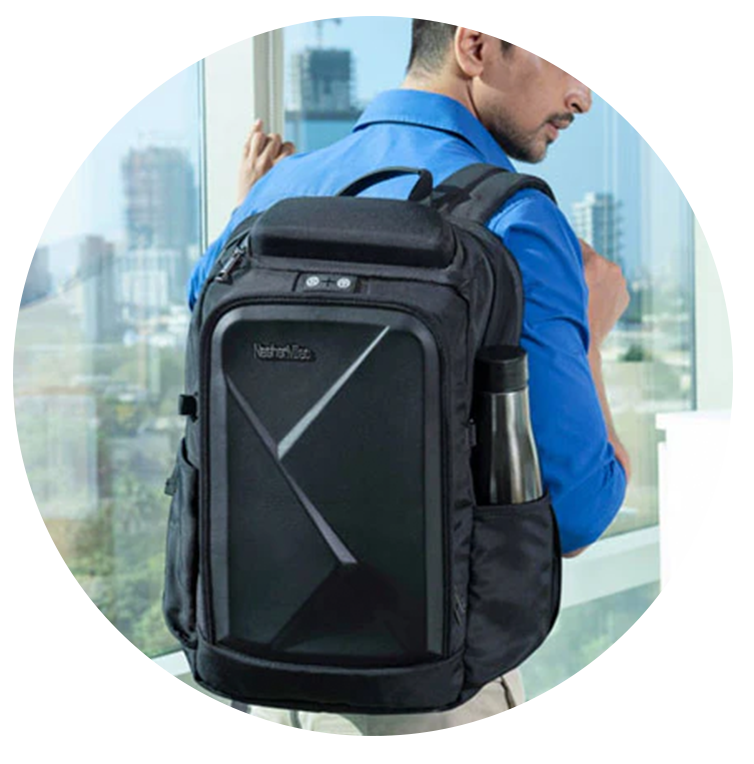
Comfort still matters. Shoulder straps should sit flat. Back panels should breathe. A travel backpack should feel steady while standing in long lines. When travel days run long, that steadiness keeps energy intact. Laptop backpacks from Nasher Miles are the best-suited men's backpacks and women's backpacks for business or vacations, where comfort and ease are priorities.
Hiking Backpacks – Designed for Long Journeys and Tough Terrain
Hiking backpacks focus on fit and support. Weight distribution matters more than layout. Frames support the spine. Straps adjust to body shape. Fabric handles weather and rough contact.
Those searching for how to choose a hiking backpack should focus on load balance and durability. Access matters less than support. Comfort over distance defines success here.
Daypacks – Perfect for Short Day Trips or City Exploring
Daypacks work for light carry. They hold essentials without bulk. Water bottles, snacks, and small tech items fit easily. These packs should feel light and flexible. Structure matters, but simplicity matters more.
Key Features to Consider When Choosing the Perfect Backpack
Choosing features depends on the trip type. Still, some elements remain universal. People researching how to choose a backpack for travel often overlook fit and material while focusing on capacity alone.
Size and Capacity – How Much Storage Do You Really Need?
Short trips need less space than people expect. A weekend trip often fits into a compact backpack with smart compartments. Longer travel benefits from segmented storage rather than raw volume.
Pockets help keep items visible. Tech sleeves protect devices. Bottle holders keep hands free. Storage should feel intuitive, not crowded.
Comfort and Fit – Ensuring Your Backpack Will Not Cause Discomfort
Comfort starts with fit. Straps should adjust easily. Padding should sit where pressure lands. Weight should stay centered. Testing fit matters. A backpack should feel stable when moving, not loose or heavy.
Long queues highlight this difference fast. Standing still with a poorly fitted bag feels worse than walking with it.
Material and Durability – Will Your Backpack Withstand the Elements?
Material affects lifespan. Nylon and polyester suits travel well. Canvas feels sturdy but weighs more. Leather suits formal settings but requires care.
Travel exposes bags to friction, weather, and constant handling. Materials should handle that without losing shape. Water resistance helps during unexpected rain or spills.
Security Features – Keeping Your Belongings Safe
Travel brings crowds. Lockable zippers add peace of mind. Hidden pockets protect essentials. Security should feel subtle, not bulky.
How to Choose the Perfect Backpack for Different Travel Purposes
Backpacks perform best when matched to purpose. One size rarely fits all.
For Air Travel – Choosing a Backpack for the Airport and Flights
Air travel demands ease. A backpack should fit in overhead bins or under seats. It should open wide for security checks. Access to documents should stay quick. Those considering how to choose a travel backpack for flights should prioritize balance and access over extra compartments.
For Outdoor Adventures – Finding the Right Backpack for Hiking and Camping
Outdoor travel demands strength. Ventilation keeps comfort steady. Straps spread the weight evenly. Attachment points support gear. When deciding how to choose a hiking backpack, focus on support and fit. Capacity comes second.
For Daily Use – Choosing a Backpack for Work, School, and City Trips
Daily backpacks should feel light. They carry essentials without bulk. Clean structure helps move between settings without adjustment.
Tips for Packing Your Backpack Efficiently
Packing affects comfort as much as design. Heavy items should sit close to the back. Soft items cushion edges. Small items stay in outer pockets for quick access. Packing cubes help maintain order. They prevent shifting during movement. Organized bags reduce stress when time feels tight.
Conclusion: Find the Perfect Backpack for Your Next Adventure
Travel feels better when the backpack works quietly in the background. Comfort, fit, and purpose matter more than trends. Understanding how to choose a backpack keeps travel focused on exploration, not logistics.
The right backpack supports movement, reduces strain, and keeps essentials within reach. When bags stay reliable, travel stays enjoyable. That balance matters, especially during long journeys where patience runs thin and comfort counts.
FAQs
1) How do I know if a backpack will be comfortable for travel?
Comfort shows through fit. Adjustable straps, balanced weight, and padded contact points signal support. Wearing it loaded gives the clearest answer.
2) What size backpack should I use for a weekend trip?
A compact backpack between twenty and thirty liters suits most weekend trips when packing stays organized, and essentials remain focused.
3) Can I use a travel backpack as a hiking backpack?
Travel backpacks work for light trails. Extended hiking needs structured support and a load balance designed for uneven terrain.
4) What materials should I look for in a backpack for travel?
Nylon and polyester offer strength with lightweight. Water-resistant finishes help protect belongings during unpredictable weather.
5) Are there backpacks with anti-theft features?
Yes. Many backpacks include lockable zippers, hidden pockets, and structured openings that discourage access in crowded spaces.