



Hard Shell vs Soft Luggage: Which Is Better for Fragile Items?

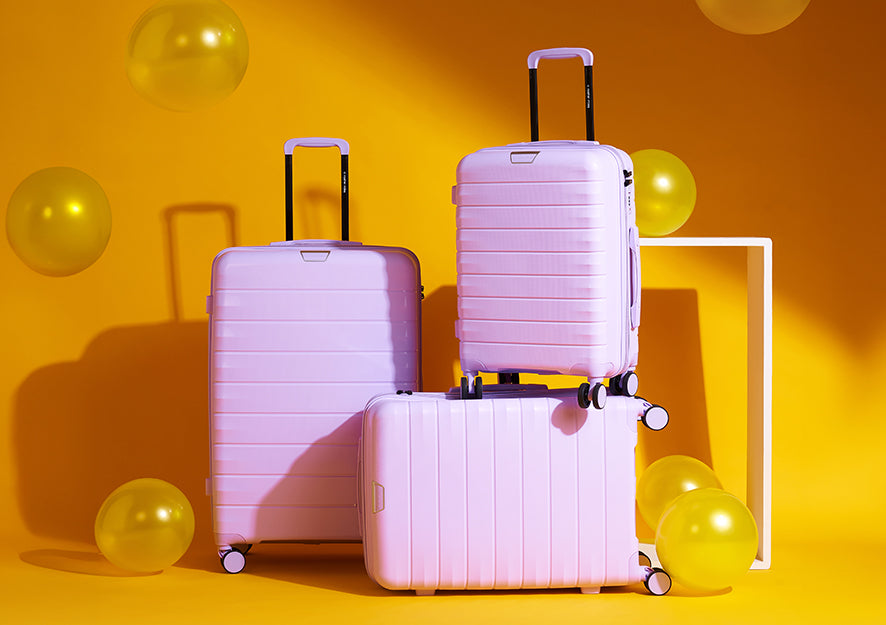
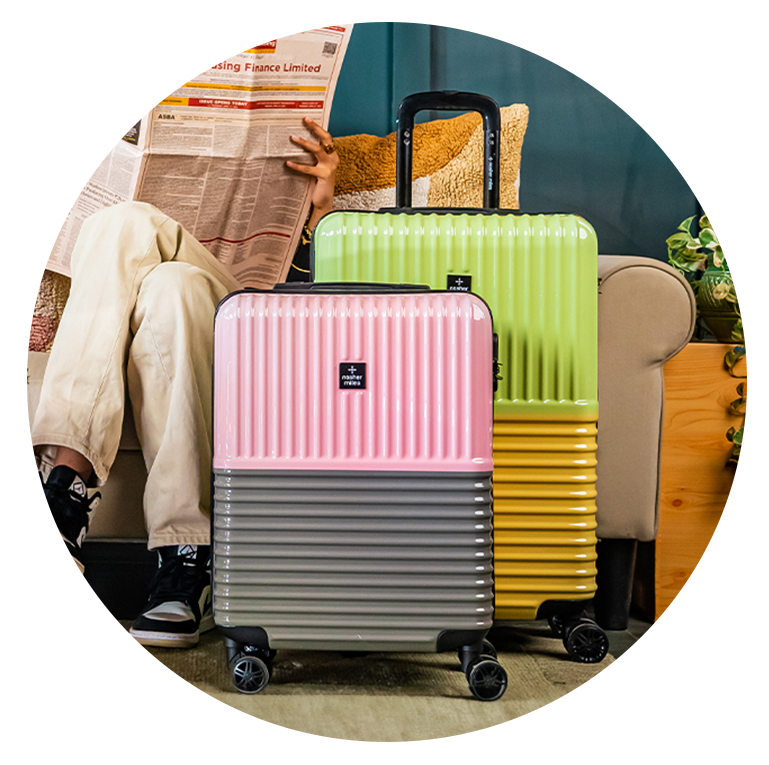
Hard shell luggage is better for fragile items. Hard shell luggage is a suitcase with a rigid, moulded shell, while soft luggage is a fabric suitcase that flexes and expands. The rigid polypropylene or polycarbonate shell holds its shape under the weight of other bags, so bottles, jars and gifts are less likely to be crushed. Soft luggage is the better pick when you want outside pockets, room to overpack or a bag that squeezes into tight spaces.
Key takeaways
- Carrying anything breakable? Choose a hard shell suitcase. The rigid shell resists crushing and keeps out rain.
- Packing light, or overpacking? Choose soft-sided luggage. It flexes, expands and usually has outside pockets.
- Cameras, laptops, jewellery and medicines go in your cabin bag, whatever suitcase you check in. Airlines ask passengers to carry fragile items and valuables in the cabin and take no responsibility for them in checked baggage.
- Warranty: Nasher Miles hard shell bags carry a 2- to 5-year shell warranty against manufacturing defects, depending on the model. It doesn't cover damage from airline handling.
What is the difference between hard shell and soft luggage?
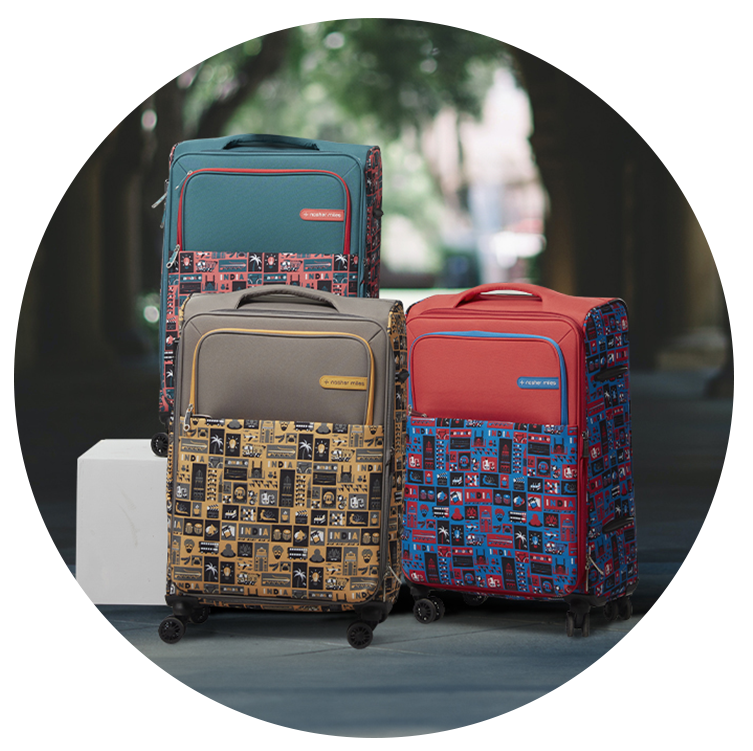
Hard shell luggage (also called hardside or hard-sided luggage) is a suitcase with a rigid, moulded outer shell made of tough plastic, usually polypropylene, polycarbonate or ABS, that protects what's inside from knocks and pressure. Soft-sided luggage is a suitcase made of woven fabric such as polyester or nylon over a frame, built to flex, expand and carry outside pockets.
| Factor | Hard shell luggage | Soft-sided luggage |
|---|---|---|
| Protection for fragile items | High: the rigid shell resists crushing | Good for clothes and padded items; keep breakables in the cabin |
| Water resistance | Shell keeps rain out and wipes clean | Fine in light rain; let it dry after a downpour |
| Expandability | Limited; some models add an expander zip | Usually expands for extra packing |
| Outside pockets | Rare | Common |
| Security | Hard to cut into; many have TSA or number locks | Secure with lockable zips |
| Fits tight spaces | No: keeps its shape | Yes: squeezes into car boots and racks |
| Scuffs and scratches | Can show scuffs over time | Hides scuffs well |
| Best for | Fragile items, check-in bags, monsoon travel | Overpackers, road trips, train travel, laptop-carrying work trips |
| Nasher Miles warranty | Shell: 3 years on most models, 2 years on Denver, 5 years on Alexandria, Capri, Dubai and Zanzibar; 1 year on wheels, zips, handles and locks | 2 years on Berlin, Dallas and Wall Street; 1 year on Stream and Classic |
Nasher Miles warranties cover manufacturing defects, not damage from airline handling. See the warranty policy, and register your bag for an extra 6 months of warranty.
Shop both styles in the hardside and softside collections.
Which is better for protecting fragile items?
A hard shell suitcase is better for protecting fragile items. In a checked bag, your suitcase sits under and beside heavier bags. A rigid shell spreads that pressure instead of passing it to what's inside. A shell alone won't stop breakage, though: items can still shift and knock together inside, so how you pack matters as much as the case.
Why does a hard shell protect fragile items better?
- It doesn't cave in. Fabric bends when a heavy bag lands on it; a moulded shell holds its shape.
- It absorbs knocks. Polypropylene flexes slightly and springs back, which softens a drop. Polycarbonate is stiffer and highly impact-resistant. Read polypropylene vs polycarbonate for the difference.
- It keeps liquids in and rain out. If a bottle leaks, a shell contains it better than fabric, and rain stays outside.
When is soft luggage the better choice?
Soft luggage is the better choice when flexibility matters more than a rigid shell:
- You overpack or shop on trips. Fabric gives a little, and most soft bags expand for the journey home.
- You need things fast. Outside pockets keep tickets, a charger or a book within reach without opening the bag.
- Space is tight. A soft bag squeezes into car boots, train racks and full overhead bins.
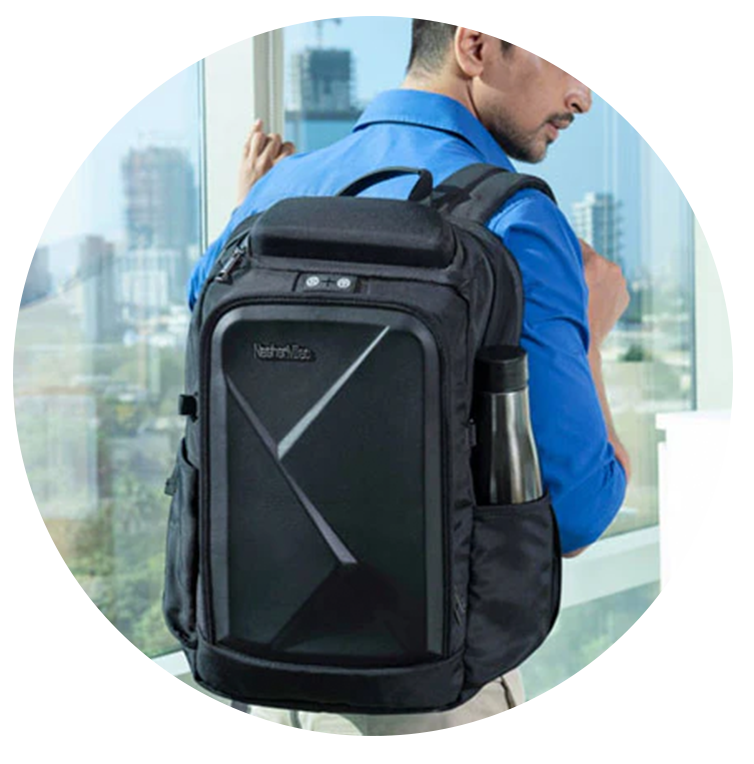
- You travel for work. Soft laptop roller cases have padded compartments you can work out of.
Soft bags carry fragile items well too, as long as the item is padded and the bag stays with you in the cabin or the car. For a checked bag full of breakables, choose a hard shell.
What should never go in checked baggage?
Keep cameras, laptops, phones, jewellery, cash, medicines and important documents in your cabin bag. Most airlines ask passengers to carry valuables and fragile items in the cabin, and many take no responsibility for them in checked baggage. Check your airline's baggage rules before you fly. On a full flight your cabin trolley may be checked at the gate, so keep the most fragile items in a smaller bag that fits under the seat.
How do you pack fragile items in a hard shell suitcase?
- Pick a size that fits your things snugly. Empty space lets items slide and hit the shell.
- Wrap each breakable item in a T-shirt, sweater or bubble wrap. Put delicate equipment, such as a camera or an instrument, in its own padded case first.
- Place breakables in the centre of the case, away from the shell walls and the wheel end.
- Fill the gaps around them with socks, scarves and soft clothes so nothing can move.
- Tape the caps of bottles and jars, then seal them in a zip-lock bag.
- Put heavy items, like shoes, at the wheel end so they don't press down on the breakables when the bag is upright.
- Fasten the compression straps and divider, and don't force the zip shut on an overfilled case.
Don't rely on a "Fragile" tag alone. If you have to check in something delicate, ask your airline in advance whether it offers special handling.
For more packing ideas, see our smart packing tips for trolley bags.
Which type should you choose for your trip?
Choose by what you are carrying and how the bag will be handled.
Which is better for international flights?
Hard shell is better for international check-in bags. They pass through more handling points, layovers and conveyor belts, and a rigid shell protects your things better. Keep within your airline's weight allowance, which is set per airline and fare.
Which is better for family holidays?
Use a hard shell for the main check-in bag that carries gifts, snacks in jars or kids' gear. Add a soft cabin bag for things you need during the journey. A trolley bag set of 3 covers cabin, medium and large sizes in one matching set.
Which is better for business trips?
A hard shell cabin trolley suits short work trips. It keeps a suit's shape, survives overhead bins and looks neat. If you carry a laptop every day, a soft laptop roller case with padded compartments is easier to work out of.
Which is better for weekend trips?
Either works. Pick the one that fits your airline's cabin limits. Most Indian domestic flights allow one cabin bag of up to 7 kg, often plus a small personal bag, but sizes and limits vary by airline and fare. See our guide to cabin baggage rules.
Which is better in the monsoon?
Hard shell is better in heavy rain, because the shell keeps water out and wipes dry. Soft luggage copes with a light shower; just let it dry fully once you arrive.
Is hard shell luggage heavier than soft luggage?
Not always. Older ABS hard shells were heavy. Polypropylene shells, which most Nasher Miles hard shell bags use, are lightweight. Compare the listed weight of each model before you buy, because it counts against your baggage allowance.
Which is more secure?
Hard shell luggage is harder to cut open, while soft luggage stays secure for everyday travel with lockable zips. Many models also come with a TSA lock, which airport security can open without breaking it; the product pages for Alexandria, Dubai, The Line, Krabi and Zanzibar list one. Read what is a TSA lock to learn how it works.
Conclusion: hard shell or soft luggage?
Choose hard shell luggage if you are carrying anything fragile, checking in your bag or travelling in the rain. Choose soft luggage if you need outside pockets, want a bag that squeezes into tight spaces or always come home with more than you left with.
- Fragile items in a cabin bag: Alexandria or Dubai, both polypropylene with a 5-year shell warranty and a TSA lock, or Zanzibar in polycarbonate.
- Fragile items in check-in: a large hard shell such as Seattle 75 cm.
- Light and flexible: a soft cabin trolley such as Dallas, or the Wall Street laptop roller case for work trips.
Nasher Miles makes both hard shell and soft luggage, so the suggestions above come from our own range.
Frequently asked questions
Q. Is hard shell luggage better than soft luggage?
Hard shell luggage is better for protection, rain and security. Soft luggage is better for flexibility, outside pockets and overpacking. Neither is better for everyone, so choose by what you carry.
Q. Can I pack glass bottles or pickle jars in my suitcase?
Yes, in checked baggage, if they are well wrapped. Cabin bags limit liquids to small containers, usually 100 ml each, so larger bottles, oils and pickles go in checked baggage. Use a hard shell, tape the lids, seal each jar in a zip-lock bag and pack it in the centre surrounded by clothes.
Q. Should electronics go in checked luggage?
No. Carry laptops, cameras, phones and power banks in your cabin bag. Most airlines ask passengers to keep fragile items and electronics in the cabin, and many take no responsibility for them in checked baggage.
Q. Can hard shell luggage crack?
A hard shell can crack under a very heavy impact, and cheap, brittle shells crack more easily. Good polypropylene and polycarbonate shells are built to flex and recover. Polypropylene bends and springs back; polycarbonate is stiff and highly impact-resistant. Most Nasher Miles hard shell bags carry a 3-year shell warranty against manufacturing defects, and Alexandria, Capri, Dubai and Zanzibar carry 5 years. The warranty doesn't cover damage from airline handling, so pack carefully either way.
Q. Which luggage material is best for fragile items?
Polypropylene and polycarbonate both protect fragile items well. Polypropylene is lighter and more flexible; polycarbonate is more rigid. See polypropylene vs polycarbonate luggage for a full comparison.